Introduction
Wound treatment is an essential element of nursing that calls for specialized understanding and skills. As medical care remains to evolve, the need for skilled injury treatment specialists has surged. This article will explore the important components of nursing wound care training programs, analyzing what makes a reliable educational program and exactly how it prepares registered nurses for real-world obstacles in wound management. Whether you're aiming to come to be a wound care registered nurse or simply improve your existing skills, understanding these parts is important for providing top quality person care.
Essential Parts of Nursing Wound Care Training Programs
Nursing wound care training programs are designed to outfit registered nurses with the necessary skills and understanding required to effectively take care of wounds. These programs differ in their content, yet they all share some basic elements that make certain nurses can offer thorough wound treatment.
The Significance of Wound Care Training for Nurses
Why is Wound Care Essential?
Wound treatment is not nearly cleansing a cut; it's a diverse discipline that involves comprehending the body's healing processes, infection control, and person education and learning. Correct training enables registered nurses to examine injuries properly and develop appropriate treatment plans.
What are Wound Care Specialist Training Programs?
Wound care professional training programs are specialized programs created for medical care experts who want to deepen their understanding of persistent and complex injury monitoring. These programs generally cover sophisticated strategies and techniques tailored particularly for those that aim to become qualified wound treatment specialists.

Key Learning Purposes in Wound Care Training Courses
Understanding Makeup and Physiology Related to Wounds
A strong foundation in makeup and physiology creates the backbone of any effective wound care training program. Nurses have to comprehend skin layers, sorts of tissue associated with recovery, and just how different elements influence wound healing.
Assessment Methods for Reliable Wound Management
Assessment is essential in wound management. Training must include various analysis methods that include aesthetic inspection, palpation, and client background gathering.
Basic Wound Care Training: A Basic Starting Point
What Does Basic Injury Care Involve?
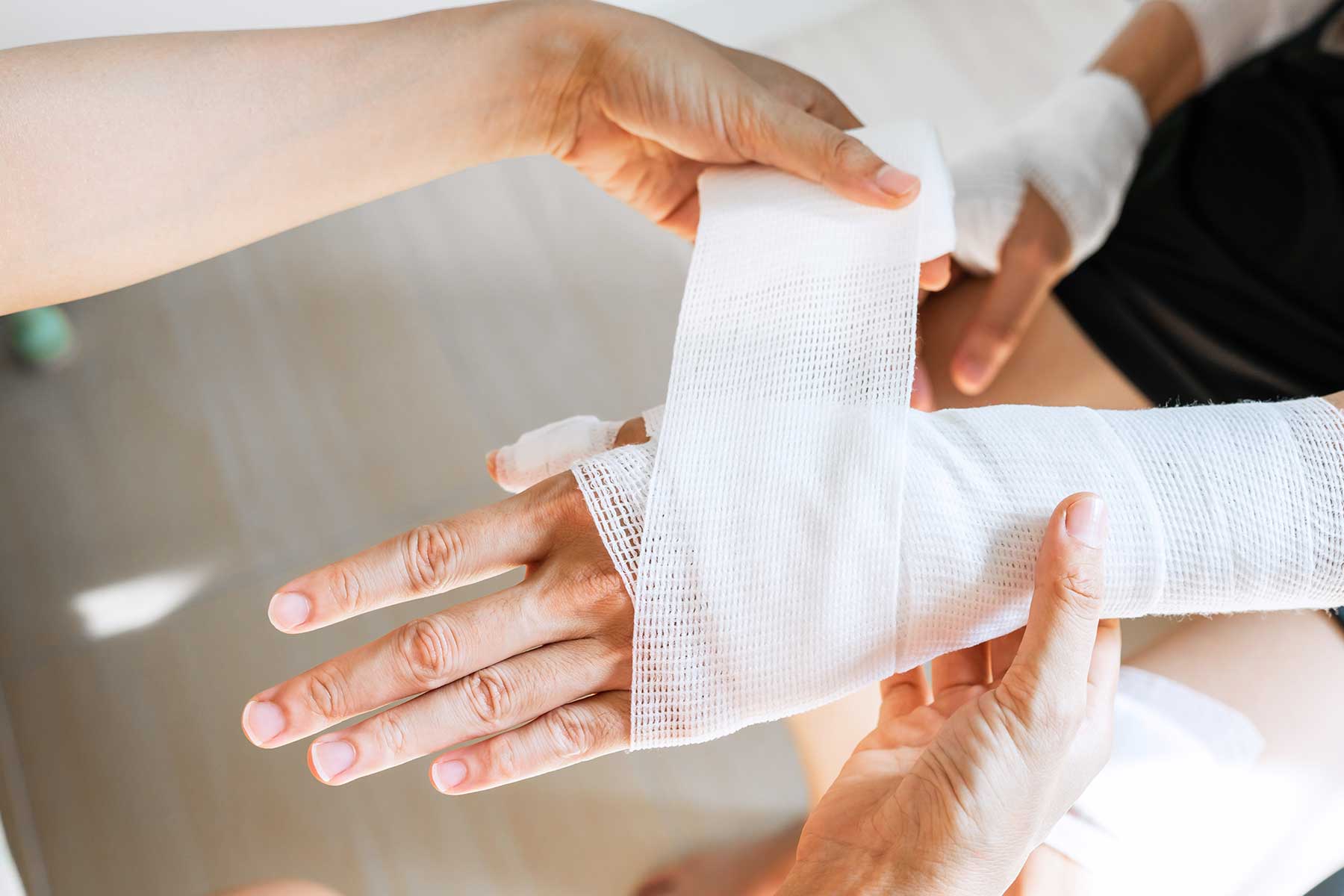
Basic wound care entails cleaning up the wound, using dressings, handling pain, and educating individuals on home care methods. This fundamental understanding is essential before progressing to much more complicated concepts.
Common Techniques Shown in Fundamental Wound Care Training
- Cleaning: Using saline solutions or disinfectant agents. Dressing: Choosing proper dressings based upon the type of wound. Monitoring: Routinely looking for signs of infection or complications.
Advanced Principles in Complex Wound Care Management
Differentiating Between Acute and Chronic Wounds
Understanding the distinctions between severe and persistent wounds plays an important duty in determining treatment techniques. Intense wounds recover quickly while persistent injuries need ongoing management strategies.
Treatment Methods for Persistent Wounds
Chronic injuries may demand advanced therapies such as adverse stress treatment, bioengineered skin substitutes, or hyperbaric oxygen therapy. Comprehensive training ought to include these methods for efficient management.
Integrating Evidence-Based Technique in Wound Treatment Management
What is Evidence-Based Practice?
Evidence-based method (EBP) refers to making medical decisions based upon the most effective readily available study proof incorporated with scientific proficiency and person preferences.
How EBP Boosts Individual Outcomes
Implementing EBP results in enhanced client end results by making certain that interventions are based in clinical research study instead of obsolete techniques or anecdotal experiences.
NDIS Injury Care: A Specialized Approach
Overview of NDIS (National Handicap Insurance coverage Scheme)
The NDIS sustains individuals with handicaps, including those needing specialized wound care services. Registered nurses have to be familiar with this structure when supplying treatment under its auspices.
Tailoring Injury Look after NDIS Participants
Training needs to incorporate methods for tailoring injury administration prepares certain to NDIS individuals' needs, considering their one-of-a-kind conditions and challenges.
Patient Education and learning: Encouraging People Through Knowledge
Why Person Education Matters?
Educating people regarding their injuries empowers them to take an active function in their healing procedure. It likewise decreases anxiousness related to treatment procedures.
Key Subjects Covered in Person Education
- Wound Hygiene: Value of keeping wounds clean. Signs of Infection: Informing patients concerning signs and symptoms that call for clinical attention. Lifestyle Factors: Discussing nourishment and way of life adjustments that advertise healing.
Interdisciplinary Collaboration in Injury Care Management
Benefits of Teamwork Amongst Healthcare Professionals
Collaboration amongst various medical care professionals-- medical professionals, physical therapists, dietitians-- enhances thorough patient care by incorporating varied competence right into therapy plans.
How Interdisciplinary Approaches Are Taught
Training programs typically consist of modules on communication strategies and teamwork concepts crucial for effective interdisciplinary collaboration.
Innovations in Innovation Within Nursing Wound Care Training Programs
The Function of Modern technology in Modern Healthcare
Technological improvements have transformed numerous aspects of health care, including wound evaluation tools like electronic imaging systems that facilitate exact evaluations.

Incorporating Innovation into Training Curricula
Training programs must familiarize registered nurses with present innovations used in injury evaluation and administration so they can utilize these tools successfully upon certification.
Certification Choices Available Adhering to Conclusion of Nursing Wound Care Training Programs
Importance of Certification
Certification as a wound care specialist develops integrity amongst peers and people alike while supplying possibilities for job advancement within this specialized field.
FAQs Concerning Nursing Wound Care Training Programs
What are the requirements for enrolling in nursing injury treatment training?- Most programs require candidates to have an active nursing license together with some clinical experience.
- Duration differs by program yet generally varies from a number of weeks to a few months depending upon whether it's basic or sophisticated training.
- Yes, ongoing education is often called for to keep qualification status as new methods emerge regularly.
- Absolutely! Numerous institutions offer online components allowing adaptability while acquiring needed skills.
- Assessments may involve practical presentations, composed examinations covering concept understanding, in addition to case studies.
- Yes! Various scholarships and gives might be readily available through universities or professional companies focused on nursing education.
Conclusion
In conclusion, recognizing the vital components of nursing wound care training programs is crucial not just for aiming nurses but likewise those already practicing who want to boost their skills better. With proper education rooted in evidence-based technique along wound care management with technological developments, registered nurses can dramatically influence person outcomes with effective persistent injury management methods. By understanding both fundamental concepts like standard health techniques along with sophisticated methods associated with complex situations-- nurses will most certainly boost criteria within medical care settings while promoting far better healing journeys for their patients.